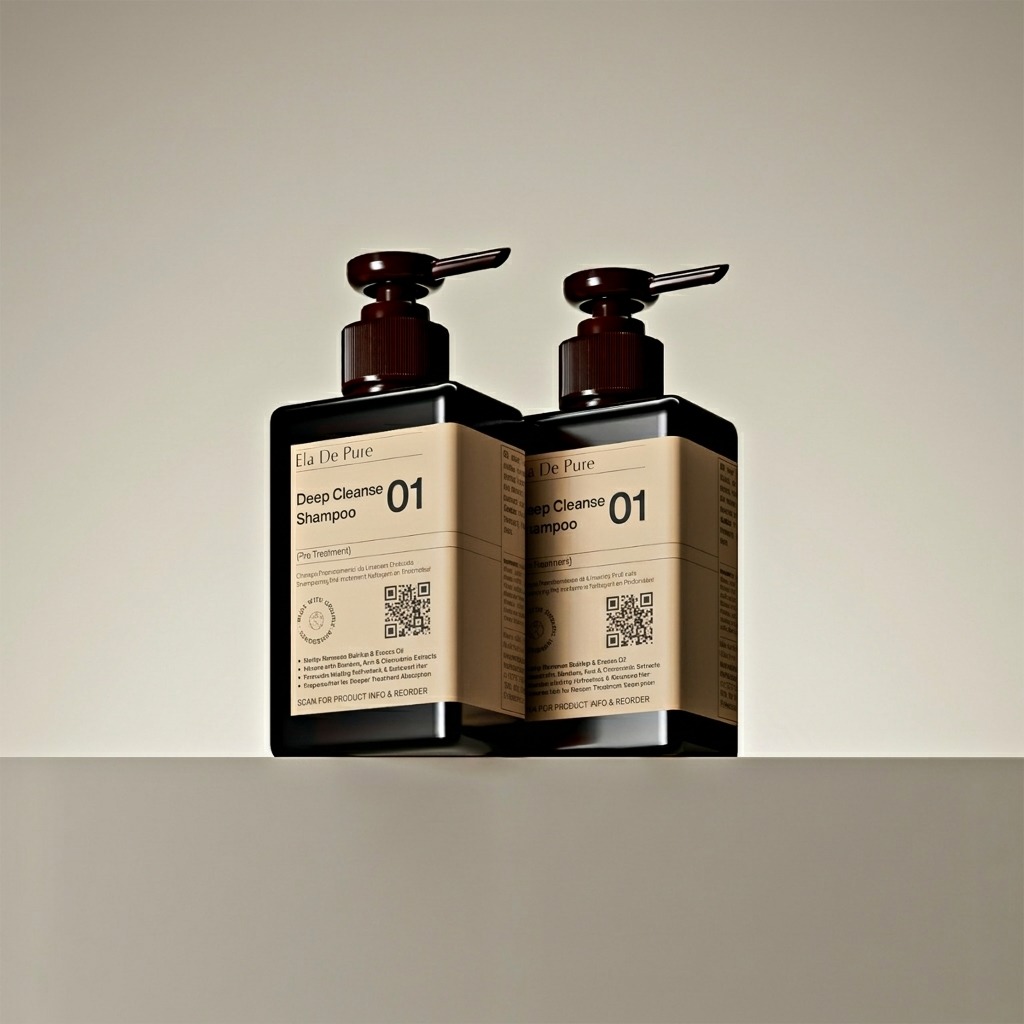
As global retail moves closer to GS1's Sunrise 2027 deadline — the industry target for checkout scanners to read both 1D and 2D barcodes — brands and packaging teams face a turning point. What began as a simple hardware upgrade is becoming a wider shift that touches supply chains, food safety, and even how shoppers interact with products.
For decades, the familiar 1D UPC/EAN barcode has done one job: sending a product's GTIN (Global Trade Item Number) to the till to look up a price. But these linear barcodes can't carry extra details like batch numbers or expiry dates.
With 2D barcodes — specifically QR codes built on the GS1 Digital Link standard and GS1 DataMatrix symbols — a single scan at the checkout can take payment, stop an expired product from being sold, confirm where a product came from, and send shoppers to useful online content.
This guide breaks down the practical steps brands and retailers should take now to be ready well before 2027.
At a glance: 1D barcodes vs. 2D GS1 Digital Link
| Feature | 1D Linear Barcode (UPC/EAN) | 2D GS1 Digital Link (QR Code) |
|---|---|---|
| Main data | Fixed GTIN / price lookup | GTIN + a live web link |
| What it does | One job (checkout only) | Many jobs (checkout, warehouse, shoppers) |
| Extra data | No batch or expiry info | Batch, lot, and expiry dates |
| Space on pack | Takes up more room | Compact, and can be printed on demand |
The big shift: why printing both codes matters today
A common mistake brands make when planning for 2D is assuming 1D barcodes will vanish overnight on December 31, 2026.
In practice, dual marking — printing both the traditional 1D barcode and a GS1-compliant 2D code on your packaging — is the sensible approach for 2026–2027.
Printing both keeps older checkouts working while letting retailers with newer scanners start reading the 2D codes on real products.
"By bridging the gap between online and offline retail experiences, 2D barcodes offer unprecedented flexibility... The shift toward 2D barcodes is dramatically changing the way people eat, shop, and live, opening powerful new capabilities for retailers and brands."
— Bob Carpenter, President and CEO of GS1 US, writing for Labels & Labeling
A 3-step guide for retail brands
Step 1: Get a GTIN barcode for your product
If your product doesn't already have a barcode, you'll need a GTIN retail barcode (an EAN-13 or UPC). You can purchase one from GS1, or from a third-party barcode seller such as the International Barcodes Network — both options work fine.
Step 2: Sign up for a 2D Barcode account
Register for a 2D Barcode account with your chosen provider. Again, you have two straightforward options: go through GS1 directly, or use a third-party platform such as IBN Link (ibn.link). Either route works.
Step 3: Generate your 2D barcode and add it to your packaging
Once your account is set up, use your provider's online platform to submit your product information. You can then generate a 2D barcode (QR code) from the platform, download it, and place it on your product packaging or label.
Important: keep your existing GTIN barcode (the EAN-13 or UPC) on the packaging as well. During the transition period your product needs both codes — the 1D barcode keeps older checkouts working while the new 2D code unlocks the richer features.
Checklist: are you ready for 2027?
- GTIN in place: Your product has an EAN-13 or UPC barcode (from GS1 or a third-party seller).
- 2D account active: You've registered with GS1 or a platform such as IBN Link.
- QR code generated: You've created and downloaded your 2D barcode from the platform.
- Dual marking: Your packaging carries both the 1D and 2D codes during the transition.