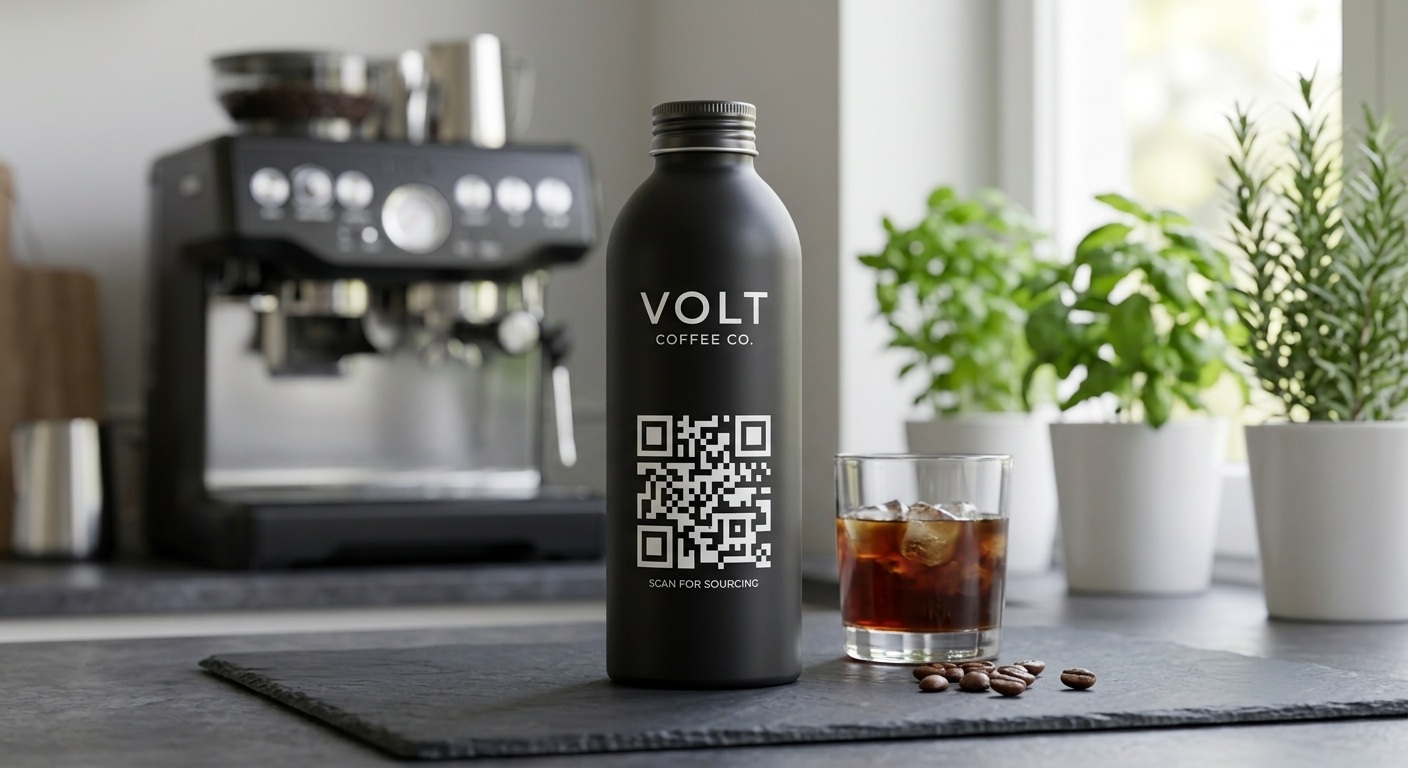
When you print a 2D barcode on your product packaging, you aren't just adding a visual code—you are adding a doorway to the internet.
While most manufacturers focus heavily on print quality, label space, and scanner readiness, there is one crucial technical piece happening behind the scenes that deserves attention: how the digital link resolver architecture is set up.
Unlike a simple website link or a temporary promotional short-link, a professional 2D barcode connects directly to a structured web address. If that system is set up poorly, your entire product line can run into routing failures or software dependency risks.
Understanding how these backend web connections work helps packaging and IT teams build a reliable, long-term digital strategy.
What Happens Behind the Scenes When a 2D Barcode is Scanned
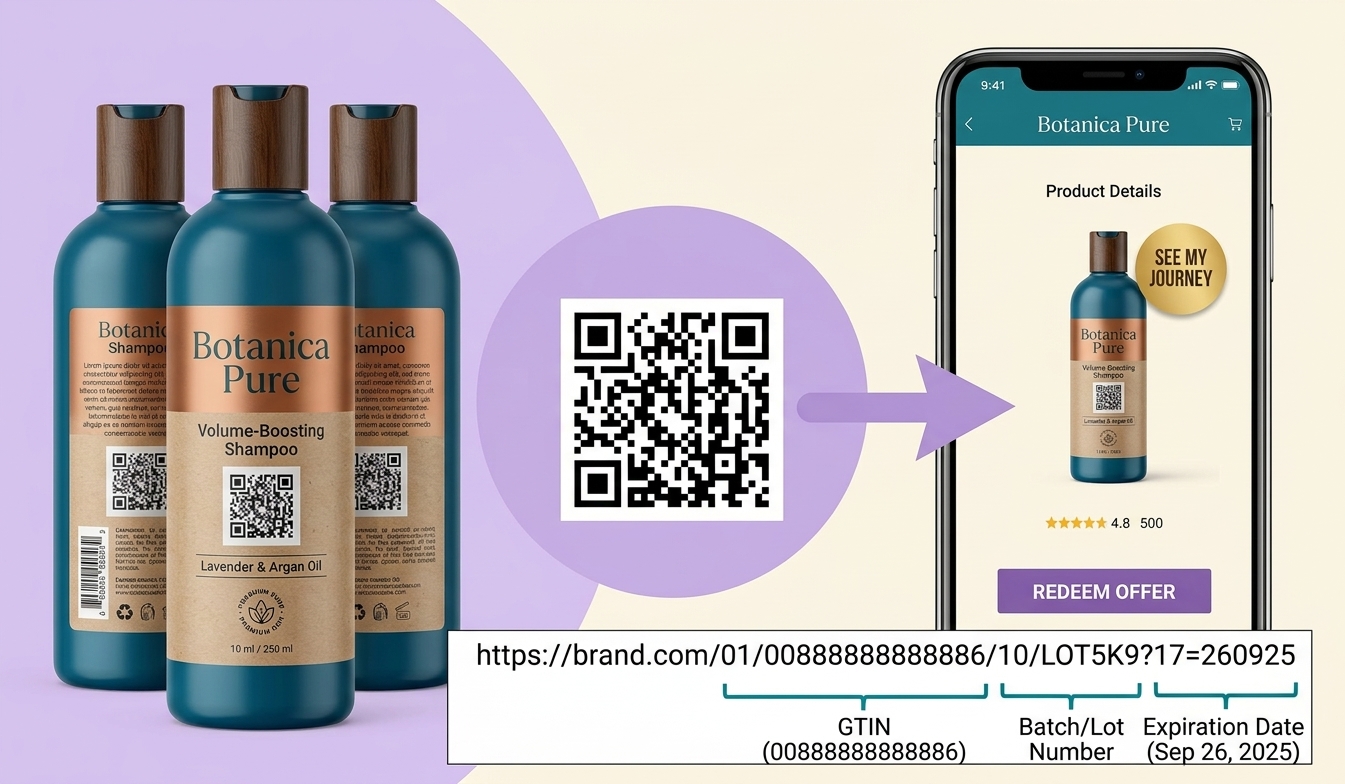
When a shopper scans a modern 2D barcode on a grocery item, the code communicates a standardized web address rather than just a basic product number.
A typical web address embedded in the code looks something like this: https://id.yourbrand.com/01/09506000134316/21/ABC1234
When someone scans that code, it hits a routing system (known as a resolver) that instantly sends them to the right place depending on who is scanning:
- At the Checkout Register: Store scanners read the product number and lot details to complete the sale.
- On a Customer’s Smartphone: A shopper's phone opens up ingredients, allergy advice, or recycling guides.
- At a Distribution Center: Warehouse scanners pull up shipping and batch tracking data.
The Risks of Closed-Loop Redirection Services
As companies rush to adopt 2D barcodes, some software providers offer quick-fix solutions using closed-loop redirection tools or third-party web shortcuts. While it might seem convenient during initial setup, this approach carries major hidden operational risks.
Industry Standard:
Core internet architecture guidelines, such as the W3C Architecture Recommendations, stress that permanent product identification systems must rely on transparent routing pathways rather than closed company silos that can fail or change unexpectedly.
Relying on a third-party vendor's closed redirection service creates three serious problems for manufacturers:
- Rigid Software Dependencies: If you ever decide to switch software providers, or if your vendor alters their service model, every box already printed and sitting on store shelves can point to broken routing pathways.
- Broken Customer Experiences: If an outside vendor's server crashes or slows down, shoppers standing in the grocery aisle will get error pages instead of your product info.
- Data Privacy Complications: Closed-loop routing tools often track and harvest customer scanning data through third-party domains, creating headaches for privacy regulations like GDPR.
Best Practices for Resolver Architecture
To protect your packaging investment and follow global standards like the GS1 Digital Link Standard Specifications, packaging teams and IT leaders should follow these straightforward guidelines:
| Principle | Recommended Practice | Why It Matters |
|---|---|---|
| Corporate Domain Routing | Host your barcode web routing on your own corporate domain (e.g., id.yourbrand.com). | Ensures your company maintains direct authority over product routing for the life of the product. |
| Standardized Syntax | Stick to standard product number formats in your web addresses. | Allows normal retail scanners and supply chain tools to read your data instantly without custom programming. |
| High Uptime Architecture | Use reliable, cloud-hosted web servers for your routing system. | Prevents downtime during big promotional pushes or peak holiday shopping rushes. |
Building a Reliable Digital Ecosystem
Switching to 2D barcodes is one of the biggest updates retail supply chains have seen in decades. By establishing transparent, well-structured resolver architecture on your own domain, you ensure that your packaging remains dependable, secure, and entirely under your operational umbrella.
Treating your digital link setup with the same care as your physical manufacturing guarantees your packaging investment will support your business for the long haul.